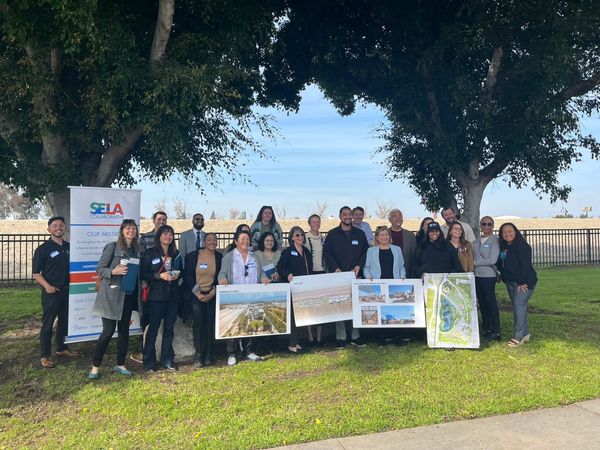
Where Connections are Stronger than Borders: Building a Healthier Future in Southeast Los Angeles
The Gateway Cities Regional Climate Collaborative shows what it can look like to build belonging through civic infrastructure in Southeast Los Angeles.

The Gateway Cities Regional Climate Collaborative shows what it can look like to build belonging through civic infrastructure in Southeast Los Angeles.
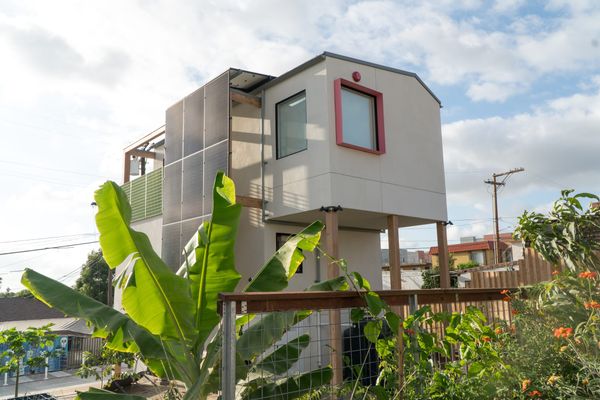
For more than five decades, Casa Familiar has built the relationships, trust, and shared expectations that allow residents to shape their community’s future. Read about La Semilla, a climate resiliency center, gathering space, and neighborhood-scale demonstration site.
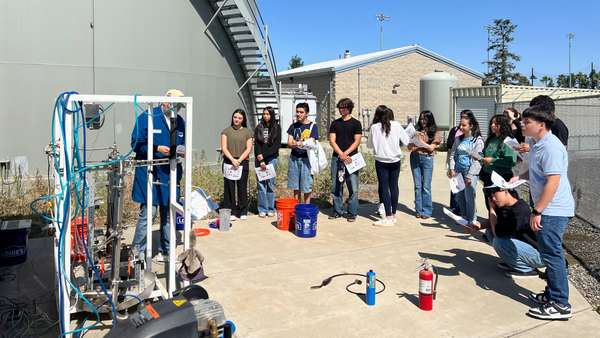
In North San Joaquin Valley, BEAM operates as a backbone for a growing regional ecosystem that identifies gaps and helps fill them through coordination, technical assistance, grants, strategic investments, and shared infrastructure.
The scale and duration of the harm experienced by Gary residents were shaped by inequities, disinvestment, utility decisions, and regulatory choices that existed long before the winds arrived.
By Lew Daly A Blow for Carbon Capture in Ascension Parish, Louisiana On June 30th, industrial gases giant Air Products announced that it was canceling its Louisiana Clean Energy Complex (LCEC) sited in the Darrow-Burnside area of Ascension Parish, absorbing $2.9 billion in losses and sending shockwaves across
The data that local and state governments rely on to navigate economic challenges and growing threats to health and safety may become less reliable or simply unavailable due to a new Department of Commerce order.
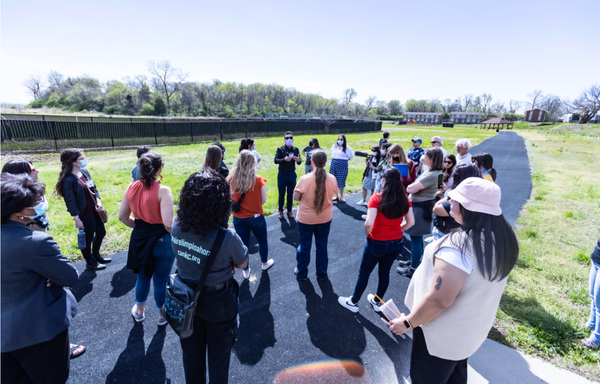
Spotlight: RiSE4EJ advances equitable energy storage in Kansas City and beyond
The energy strategy centering corporate profit-making has failed, but we can turn the tide and create a people-centered politics for the public good as a pathway to affordability.
“If we’re not prepared to govern, we’re not prepared to win.” -Movement Generation

Unions, bargaining for the common good, can be a powerful actor and a model for others to organize to reclaim decision-making over energy prices and systems.

Our shared freedom requires continuous testing, transparency, and open debate; legal reforms to meet new circumstances; and active tending to and recognition of injustices, both now and in the past, so we can build a future where all of us thrive.

People that can turn to each other for support, even in the poorest neighborhoods, can create powerful buffer against energy and climate disruptions and build political power.

Affording Our Energy Future: Perspectives to Power Change
Energy affordability is a multi-level crisis that requires addressing systemic costs equitably through adoption of grid resilience standards and strategies, starting with the most climate-vulnerable and energy-burdened communities.

Affording Our Energy Future: Perspectives to Power Change
The variability of wind and solar can be an advantage for energy consumers who can turn their power as energy users into savings.

Affording Our Energy Future: Perspectives to Power Change
Energy affordability is not just about the cost of living but also about wealth inequality, racialized exclusion, and institutional mistrust, which require a deliberate strategy toward shared prosperity.

Affording Our Energy Future: Perspectives to Power Change
Energy affordability is not about not having enough energy, but democratically deciding how much is enough as a society.

Affording Our Energy Future: Perspectives to Power Change
Energy affordability is as much a feature of culture as of technology; we need a reorientation towards energy commons.

By Elena Krieger, PhD. Utility bills are soaring across the country and the need to address energy affordability is becoming increasingly pressing. The conversation, however, is often missing an important part of the equation: the gas that 74 million U.S. households use for heating, hot water, and cooking. [1]

By Aiko Schaefer This month marks our 5th anniversary. What a roller coaster it has been! Just Solutions began amid a once-in-a-generation pandemic, escalating climate impacts, and the rise of the Black Lives Matter movement. I, along with our board, believing in the power of communities and
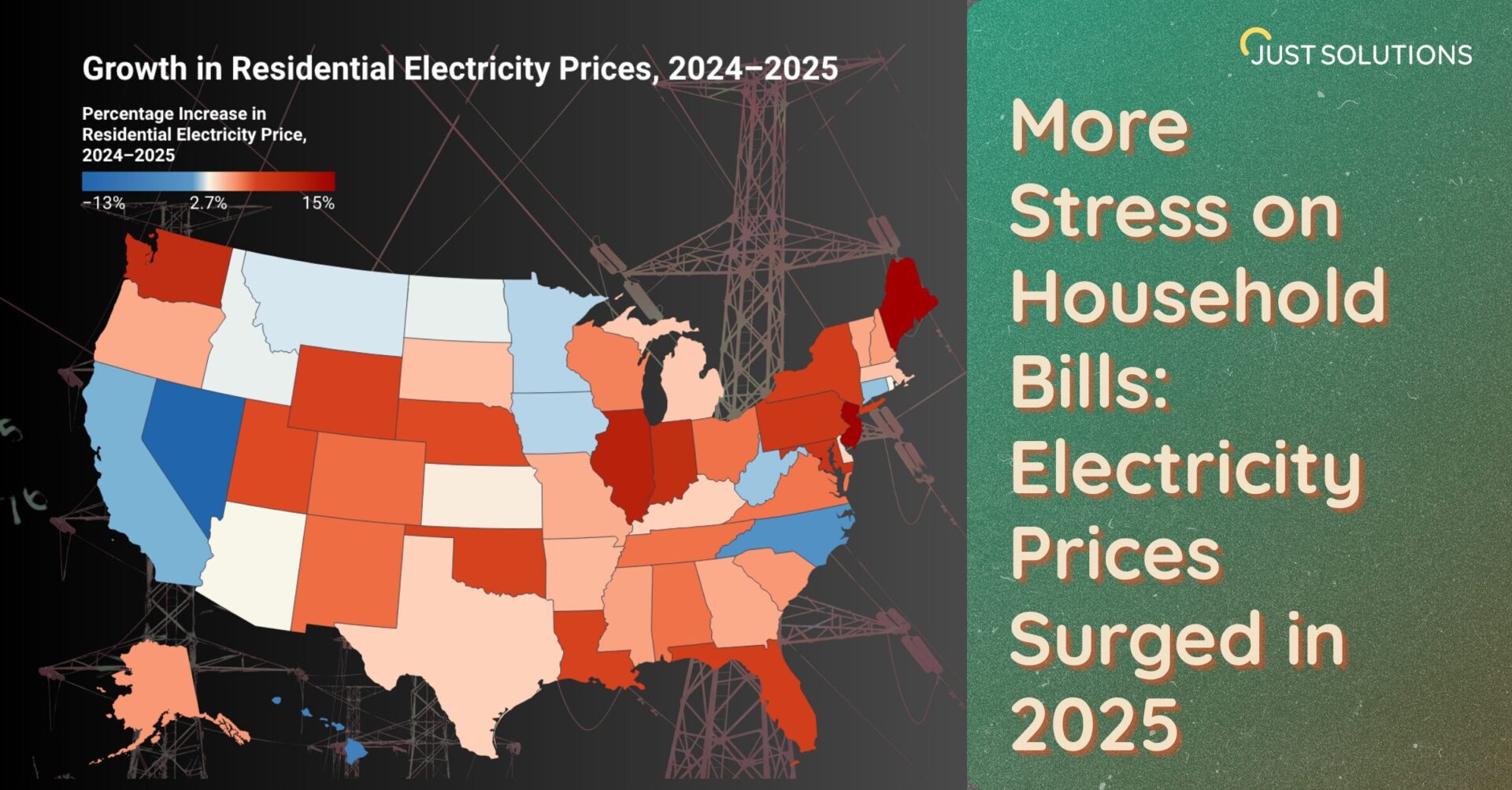
By Elena Krieger, PhD. The data are in: nationwide, household electricity prices rose nearly twice as fast as inflation last year. Across the United States, average residential electricity prices increased 5% between 2024 and 2025, according to data just released from the U.S. Energy Information Administration.[1] The inflation

By Rich Stolz One year into President Trump’s second term, there is a breathtaking attack on fundamental civil liberties underway in Minnesota. The public outcry over the killings of two protestors by immigration agents has forced a reckoning about the strategy and tactics being used in Trump’s mass

By Brandon Dawson Across the US, communities are facing fast-moving energy affordability crises while navigating an increasingly complex policy landscape. Yet many solutions already exist, developed through the organizing, advocacy, and ingenuity of communities across the country. Now more than ever, it is critical to leverage what we know

Join us for Season 3 of the Just Solutions Podcast! This season we are bringing you relevant and personable conversations with guests to make sense of what is going on in and around the US, in particular the impacts of the federal attacks and rollbacks, and what people are doing

By Crystal Bernard Across Michigan, community groups have been doing what they have always done: organizing, creating, and caring for one another in the face of crisis. From Detroit to Marquette, local environmental justice leaders have been turning federal investments into tangible neighborhood projects. Michiganders have shown they are ready