Where Connections are Stronger than Borders: Building a Healthier Future in Southeast Los Angeles
The Gateway Cities Regional Climate Collaborative shows what it can look like to build belonging through civic infrastructure in Southeast Los Angeles.

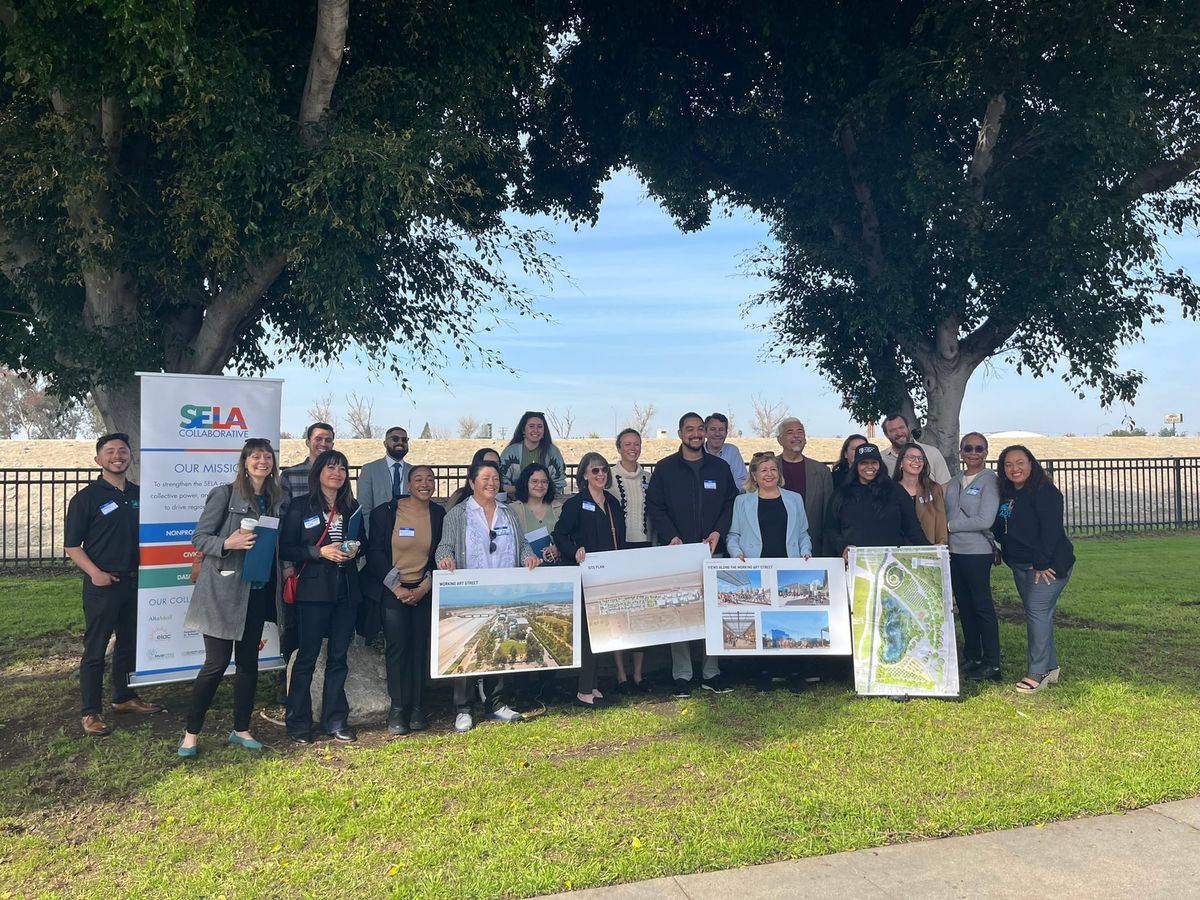
On a stretch of streets that stretches just four miles, a resident can pass through four separate cities. That distance might cross city limits, but it does not divide the daily life of Southeast Los Angeles. People live in one city, work in another, send their children to school in a third, visit relatives across town, and gather along the Los Angeles River, a shared cultural landmark and a source of possibility. In Southeast Los Angeles connection is not aspirational. It is a lived experience.
That is the region’s strength: its resources, culture, and people are deeply linked. The challenge is to build public systems that recognize those connections rather than reinforcing the borders between them. The Gateway Cities Regional Climate Collaborative is doing just that. By joining the knowledge of residents, the relationships of community organizations, the reach of local governments, and the practical expertise of environmental and health partners, the Collaborative is showing what it can look like to build belonging through civic infrastructure.
This is not only a story about trees, solar panels, emergency-preparedness workshops, or grant applications. It is a story about the relationships that make those investments possible, and about the capacity a community gains when it is treated not as a collection of separate jurisdictions or isolated problems, but as a connected region with shared assets and a shared future.
A Region of Work and Resilience
SELA has long been a working-class region shaped by migration, industry, family networks, and the movement of goods. Its communities, predominantly Latino and home to many immigrant and low-income families, have helped sustain the wider Los Angeles economy for generations. Warehouses, rail corridors, freeways, refineries, and industrial facilities have brought jobs and economic activity. But they have also concentrated pollution, truck traffic, heat, and health burdens in neighborhoods where residents have too often received too little public investment in return.
The I-710 corridor is one visible expression of this imbalance. It carries tens of thousands of diesel truck trips each day as goods move from the Ports of Los Angeles and Long Beach to the rest of the country. For residents living nearby, the impacts are not abstract: polluted air, limited tree canopy, insufficient park space, excessive pavement, and homes that may lack adequate cooling all shape the conditions in which people live, work, learn, and raise families.
Then came COVID-19. The pandemic exposed and deepened existing inequities, affecting access to health resources, economic stability, small businesses, and household security. It also revealed the importance of the region’s social fabric: resident leaders, nonprofits, local advocates, health providers, and city staff stepped in to meet urgent needs. The SELA Agenda emerged from that period through engagement with more than 80 resident, business, and nonprofit leaders, laying out a regional framework for recovery, environmental justice, economic opportunity, healthcare, housing, civic engagement, and a stronger community safety net.
The central insight was simple but powerful: SELA’s challenges are connected, so its solutions must be connected too.
Extreme heat is a health issue. Air pollution is an economic issue when it affects workers and families. Green infrastructure is a workforce issue when it creates pathways to skilled jobs. Civic participation is a climate-resilience issue when residents need a meaningful voice in determining which investments reach their neighborhoods. Belonging is not separate from infrastructure; it is built through the everyday systems that allow people to shape, access, and benefit from the places they call home.
From Separate Efforts to Shared Capacity
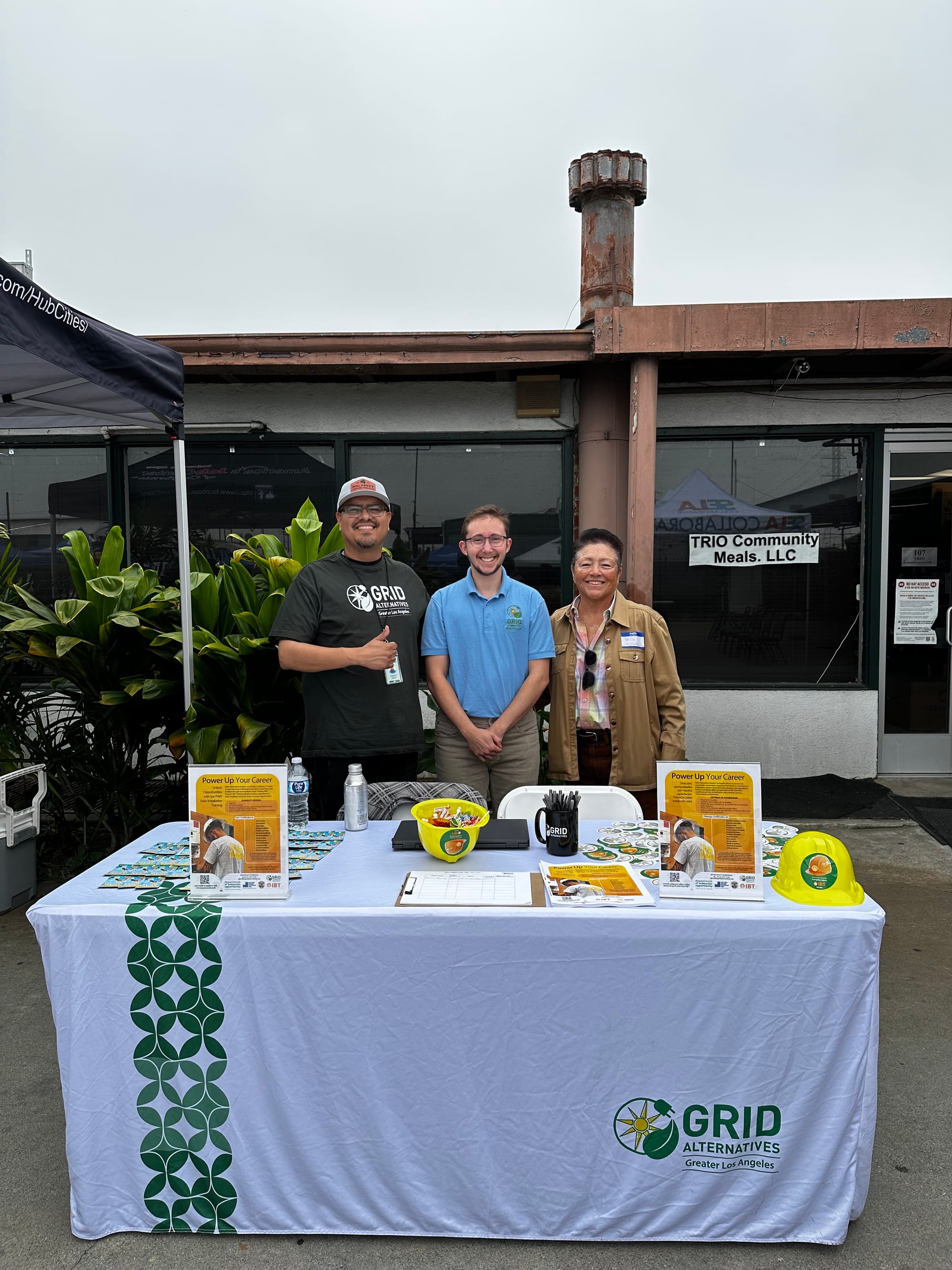
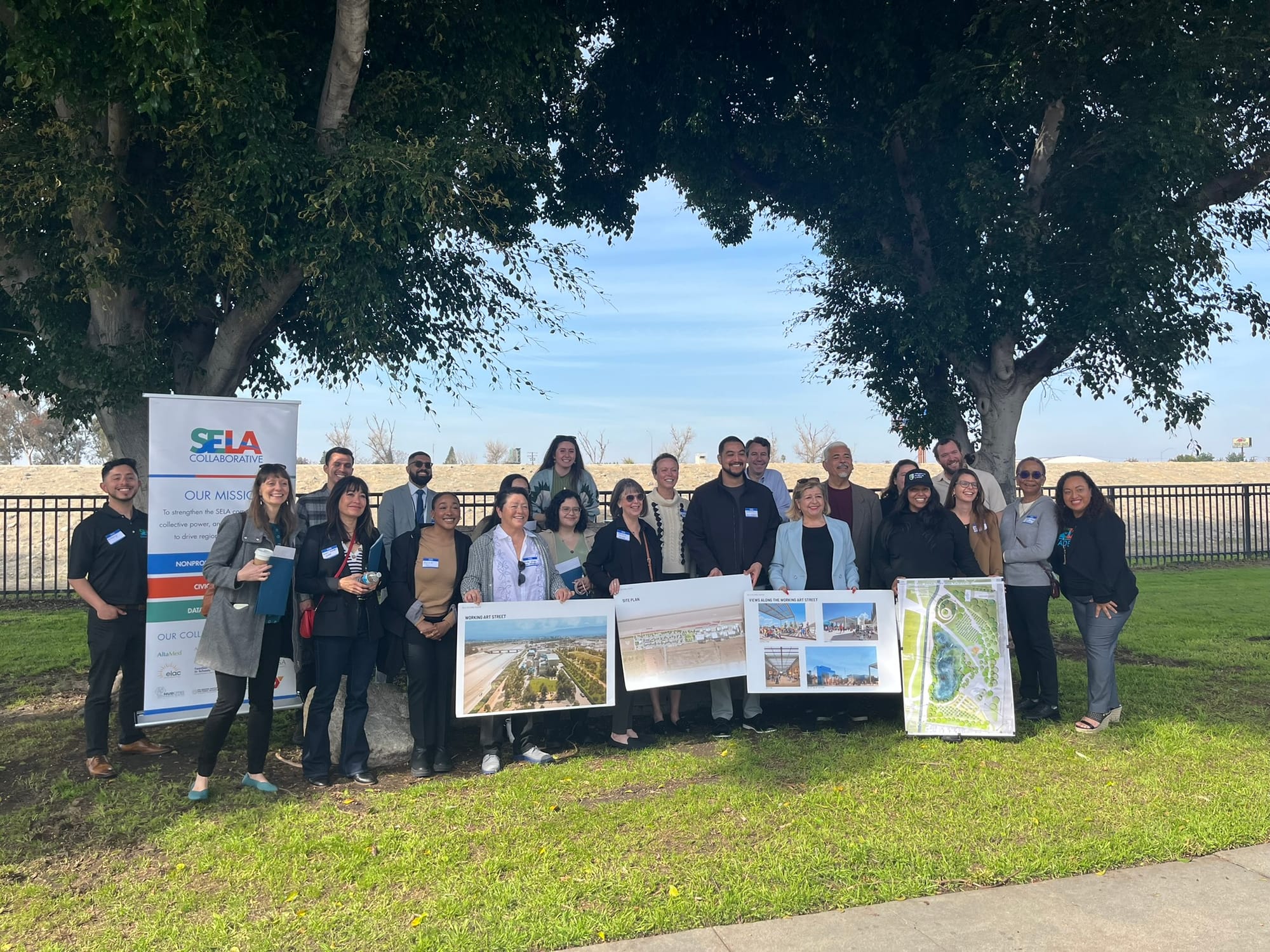
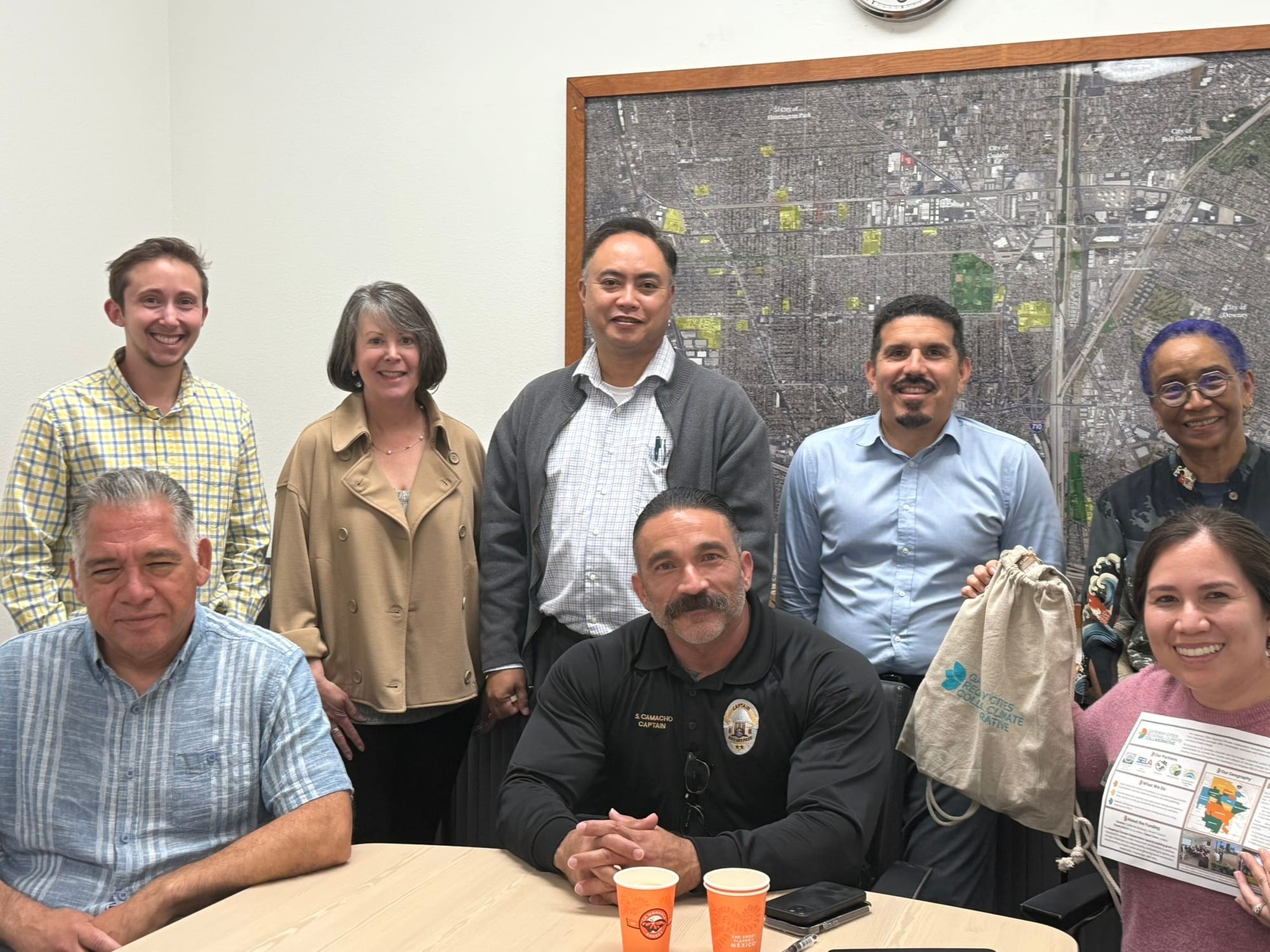
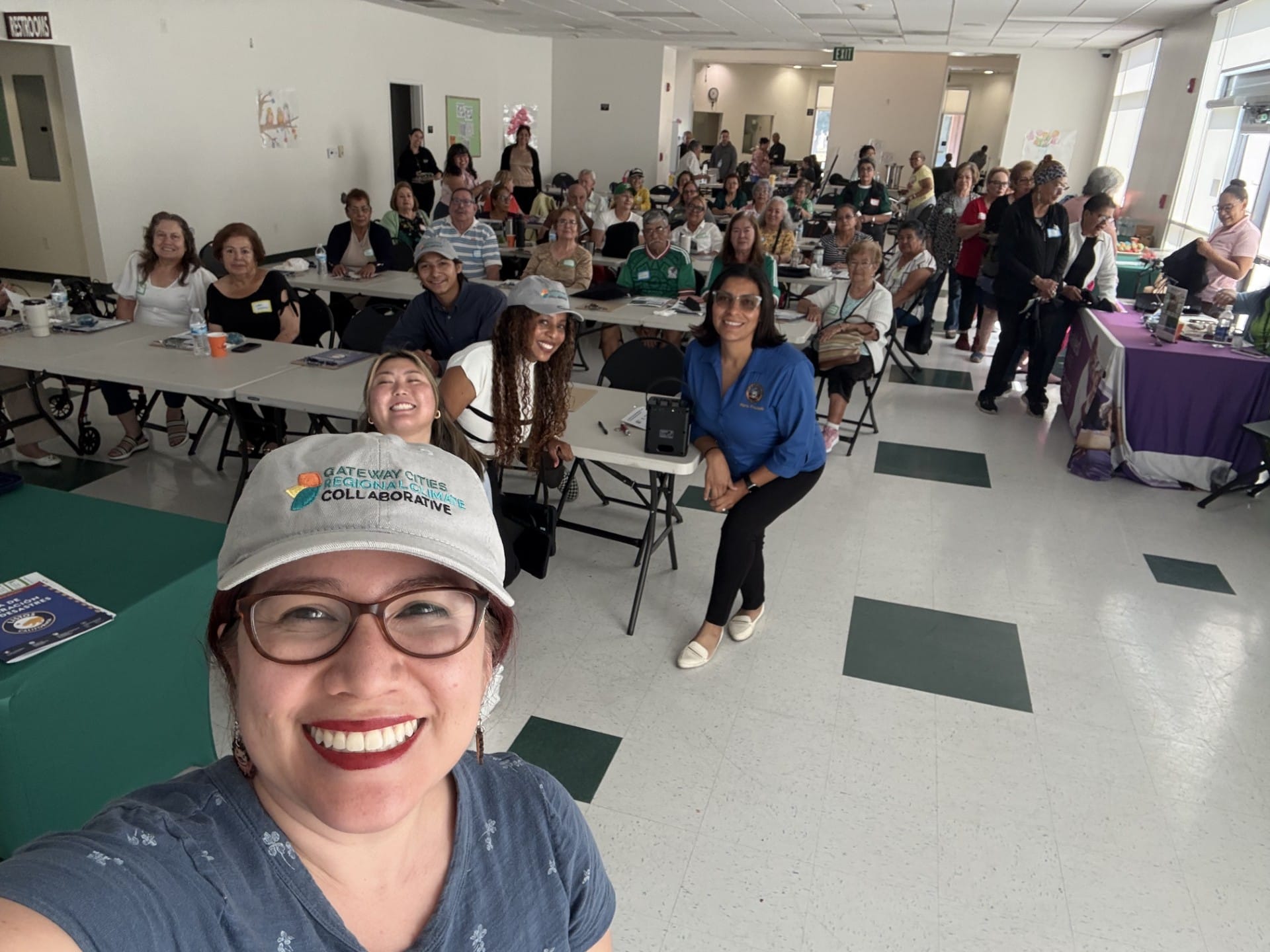
In 2023, five organizations with years of trusted working relationships came together to create the Gateway Cities Regional Climate Collaborative: the Gateway Cities Council of Governments, the SELA Collaborative, TreePeople, GRID Alternatives, and the Los Angeles County Chief Sustainability Office. AltaMed Health Services later joined, adding a vital public-health perspective and trusted community engagement capacity.
The Regional Climate Collaboratives grant from the California Strategic Growth Council provided $1.75 million over three and a half years to help the partners deepen coordination, strengthen local leadership, build skills, and create pathways to resources. The Gateway Cities Council of Governments served as fiscal manager, while the Collaborative developed a shared governance structure, regular meetings, leadership processes, and a decision-making framework designed to make its work accountable to participating organizations and communities.
This kind of infrastructure can be easy to overlook because it is not always visible from the street. It is the monthly meeting where partners identify a barrier before it becomes a crisis. It is the governance agreement that clarifies how decisions are made. It is the grant-writing template that helps a small city pursue a project it once considered out of reach. It is the trusted community convener who helps residents see that their experience is not merely anecdotal.
That is civic infrastructure: the relationships, practices, leadership, organizations, and public systems that enable communities to act together.
Building What People Can Feel
The Collaborative’s work is already visible in the places where SELA residents live their daily lives.
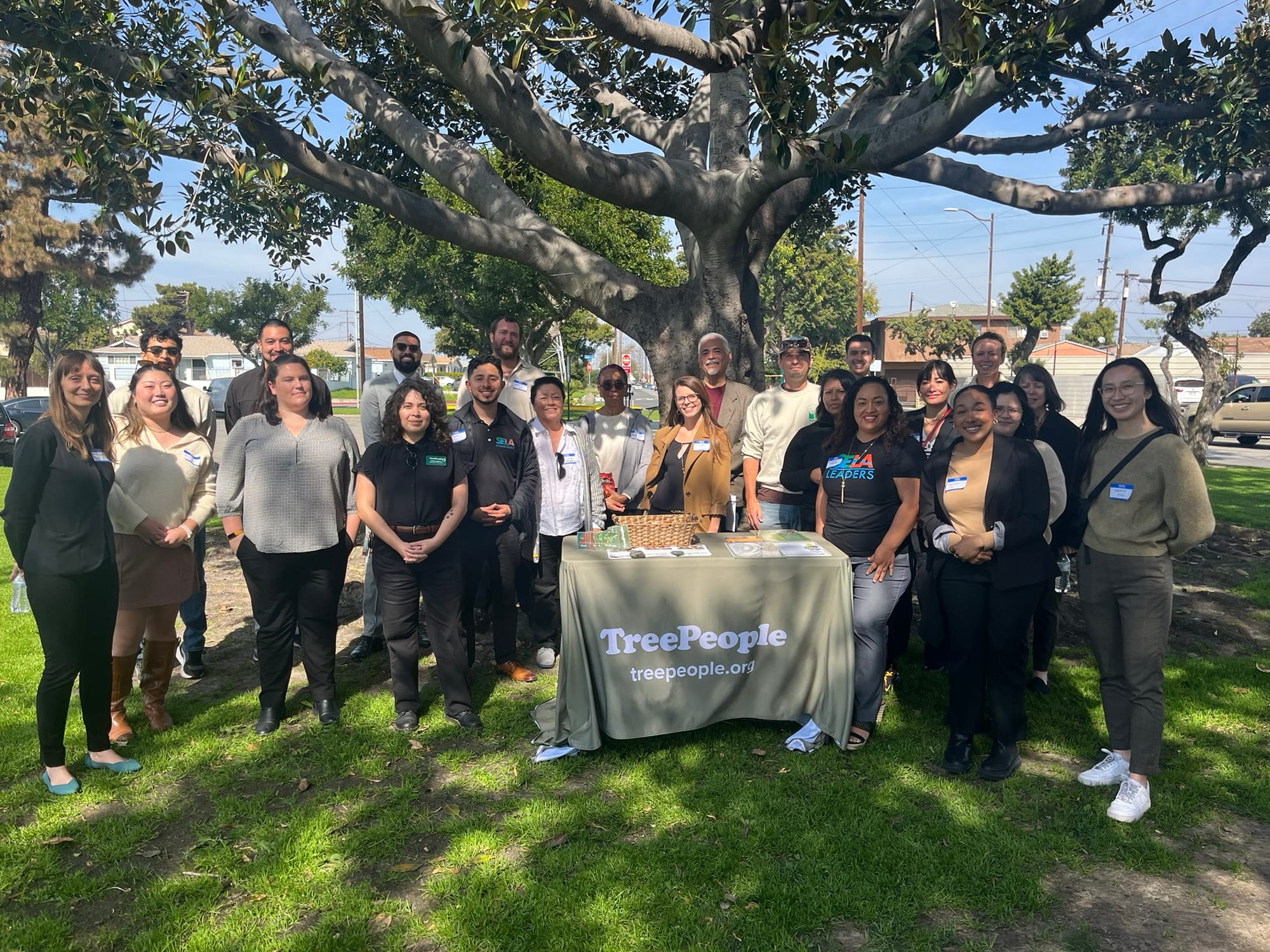
TreePeople has planted and distributed more than 1,200 trees with local residents across the region. Some trees are planted in parkways, parks, and public spaces; others are fruit trees for residents’ properties. These efforts create shade and greener streets while strengthening the sense that local people have a role in caring for and shaping their community.
GRID Alternatives has trained more than 350 people to become solar installers and placed more than 200 people in jobs through solar-installation training programs. Clean-energy investments matter not only because they can lower energy costs and reduce reliance on fossil fuels. They matter because they can create accessible pathways into careers in a changing economy.
The Collaborative has also helped cities build the capacity to pursue larger climate and infrastructure investments. Roughly $120,000 from the Regional Climate Collaborative grant supported technical assistance and grant writing for local jurisdictions. That assistance has included help with project concepts, narrative libraries, data tools, templates, interdepartmental coordination, letters of support, and city-council materials. For small or contract cities with limited staff capacity, these supports can make the difference between watching funding opportunities pass by and being prepared to pursue them.
The result is not simply a stronger application. It is stronger local capacity. City staff and elected officials are beginning to see new possibilities for working with nonprofit partners, collaborating across city boundaries, and pursuing more ambitious investments in trees, cooling, stormwater infrastructure, emergency preparedness, and climate planning. That is how a grant can become more than a temporary infusion of money: it can create the habits, tools, and relationships needed to secure and manage future resources.
The Work Ahead
The Collaborative’s progress is real, but it is not automatic or complete. Building regional capacity takes time, particularly in a place where small cities have distinct structures, staffing constraints, and political realities. It also requires partners to navigate a history of mistrust between residents and public institutions, mistrust rooted in genuine experiences of disinvestment, exclusion, and decisions made without communities at the table.
The administrative demands of reimbursement-based grants can be another obstacle. Reporting requirements and delayed reimbursement can strain organizations and jurisdictions with limited cash flow and staff. The Collaborative has had to learn together: how to manage funds, interpret evolving grant requirements, coordinate deliverables, and keep communication transparent.
And the future remains uncertain. The Regional Climate Collaborative grant is ending, while the need for this work continues. The partners are seeking philanthropic and public support to sustain their shared capacity, while also helping cities pursue implementation funding for concrete projects. The Gateway Cities Regional Climate Collaborative Roadmap is the Collaborative’s anchor for what comes next: a community-informed plan that identifies shared priorities, guides future investment, and keeps health, climate resilience, and resident leadership at the center of SELA’s next chapter.
The future of Southeast Los Angeles will not be built by any one city, agency, nonprofit, or funder acting alone. It will be built through continued collaboration: residents defining what health and resilience mean in their neighborhoods; public agencies learning to work across borders; community organizations translating lived experience into action; and funders recognizing that the capacity to work together is itself a critical public asset.
In SELA, the lines on a city map are real. But the stronger lines are the ones people have drawn through family, work, culture, care, and shared purpose. The Gateway Cities Regional Climate Collaborative is helping those lines become a foundation for a healthier, greener, more prosperous, and more connected future.
Bibliography
Charles R. Drew University of Medicine and Science, in partnership with Gateway Cities Regional Climate Collaborative. Southeast Los Angeles (SELA) Community Studio: A Climate Regional Analysis. By Cynthia Gonzalez, PhD, MPH, and Maria Rosales, MPHc. March 2025.
Gateway Cities Regional Climate Collaborative. Gateway Cities Regional Climate Collaborative Governance Framework. May 2024.
Gateway Cities Regional Climate Collaborative. Building Our Future Together: Pathways to a Healthy and Resilient SELA. Gateway Cities Regional Climate Collaborative Roadmap, 2026.
Hernandez, Natalie. Interview by Alvaro Sanchez. GatewayCities.mp4 interview transcript. August 24, 2026. Transcribed by Fireflies.ai.