La Semilla: A Seed of Belonging at the Border
For more than five decades, Casa Familiar has built the relationships, trust, and shared expectations that allow residents to shape their community’s future. Read about La Semilla, a climate resiliency center, gathering space, and neighborhood-scale demonstration site.

In San Ysidro, the United States does not simply end at a line. The border is a living landscape: people cross for work, school, care, commerce, and family; English and Spanish move easily together; and neighborhood life is shaped by Tijuana as much as by San Diego. Residents live with long border waits, heavy traffic, poor air quality, housing pressure, and decades of disinvestment. But San Ysidro is also rich in culture, leadership, celebration, and the relationships that make community possible across borders.
For Lisa Cuestas, CEO of Casa Familiar, San Ysidro feels like home. She grew up on the south side of Tucson, Arizona, in another disinvested community, and arrived in San Ysidro when she was 20. New to the region, she began volunteering and soon attended Casa Familiar’s annual Thanksgiving dinner. Hundreds of meals were served, and she saw children from the elementary school where she worked, their families, school leaders, and neighbors gathered together. “It felt like familia,” she recalls. The people she now works alongside look and sound like her own family and face many of the same needs.
That feeling is not accidental. For more than five decades, Casa Familiar has built the relationships, trust, and shared expectations that allow residents to shape their community’s future. It does not convene people only when there is a crisis or a campaign. It creates spaces to break bread, celebrate Día de Muertos, share information, debate hard choices, and return to one another even after disagreement. This is belonging in practice: not the absence of conflict, but relationships strong enough to hold it.
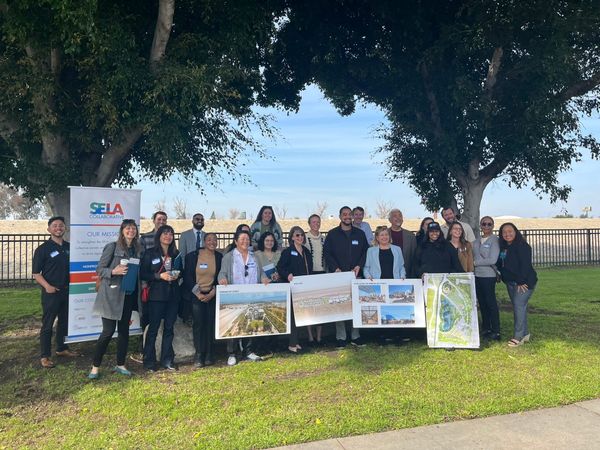
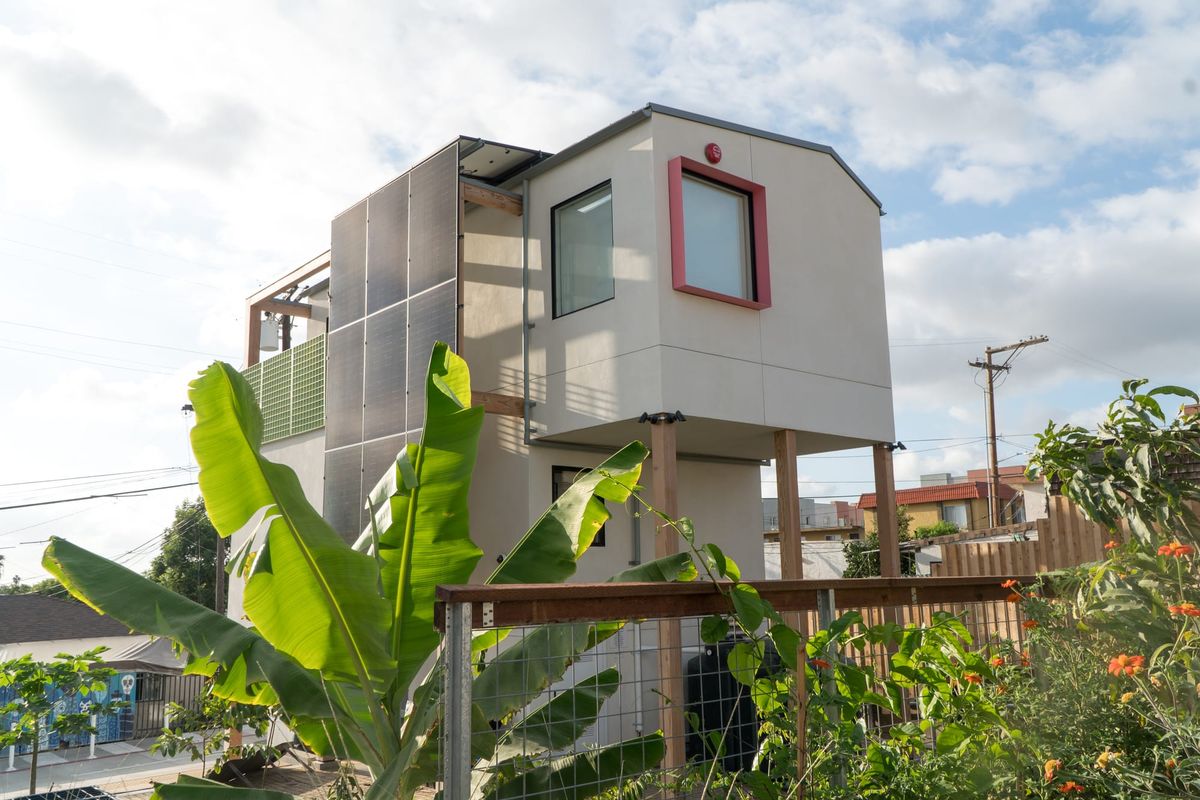
La Semilla, Spanish for “the seed,” is the latest expression of that practice. Built on a formerly vacant 7,000-square-foot parcel across from San Ysidro’s Civic Center, La Semilla is a climate resiliency center, gathering space, and neighborhood-scale demonstration site. It makes a larger proposition visible: climate resilience, health, housing, mobility, and economic opportunity are conditions of belonging, and communities must have the power to address them together.
From Vacant Land to Shared Purpose
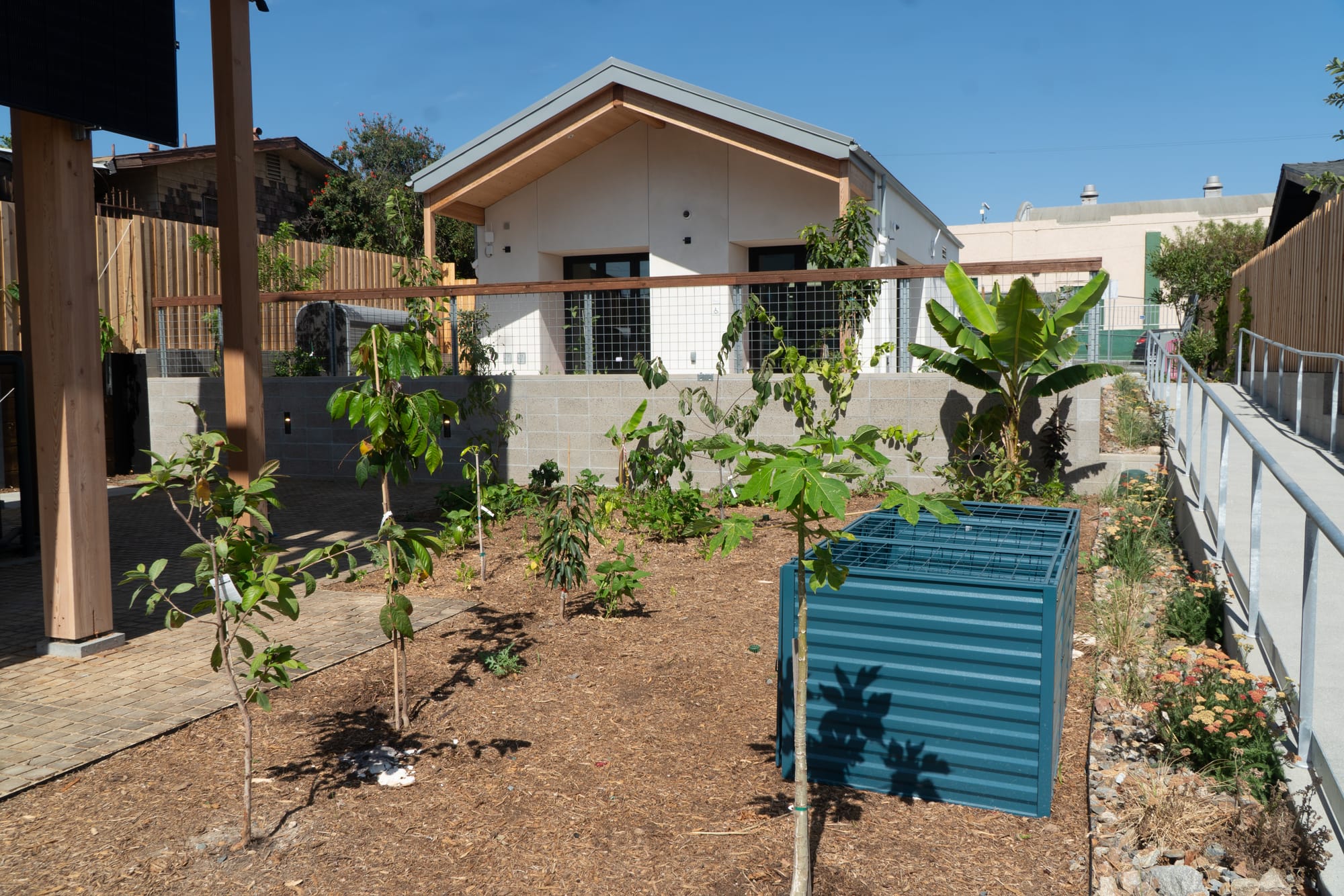
When Casa Familiar acquired a vacant parcel for approximately $300,000 thanks to income generated from a refinance connected to one of Casa Familiar’s major development projects, the question was not simply what to build, but what the community needed the site to become.
Casa Familiar drew on more than 15 years of environmental justice organizing. That work began as the community confronted the effects of border infrastructure and traffic. Residents learned from environmental studies, health partnerships, and lived experience that long lines of idling vehicles were not merely inconvenient; they were a public-health concern. The community was hearing that asthma rates were higher than elsewhere in San Diego County, yet the county did not collect air-quality data in the neighborhood making it difficult to identify the source of the problem.
Residents and Casa Familiar connected the dots: traffic pollution, limited green space, housing insecurity, weak transit connections, and scarce public gathering places were part of a single system. The community needed more than reports about those conditions. It needed a place to see and touch alternatives.
La Semilla was designed to be that place. It will demonstrate solar power, battery-backed resilience, water-conservation and retention systems, improved indoor-air-quality practices, food growing, and electric-vehicle charging at a scale residents can understand and adapt to their own homes and future projects. It includes flexible indoor-outdoor space, trees and places to gather, a bike kitchen, and one housing unit, an intentional reminder that resilience and housing belong in the same conversation. If the power goes out, La Semilla is intended to remain operational, offering a neighborhood anchor when it is needed most.
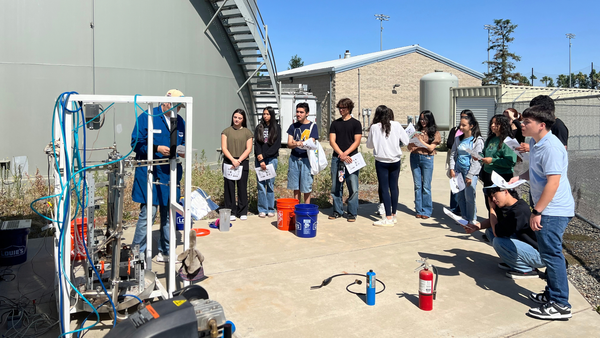
Rather than treating climate technology as distant or abstract, the center brings it into daily life. A resident can come to a workshop, see how a water system works, talk with a neighbor, and imagine a healthier home or block. La Semilla is therefore a living classroom, an emergency-readiness site, and a physical record of years of organizing.
Civic Infrastructure Makes It Possible
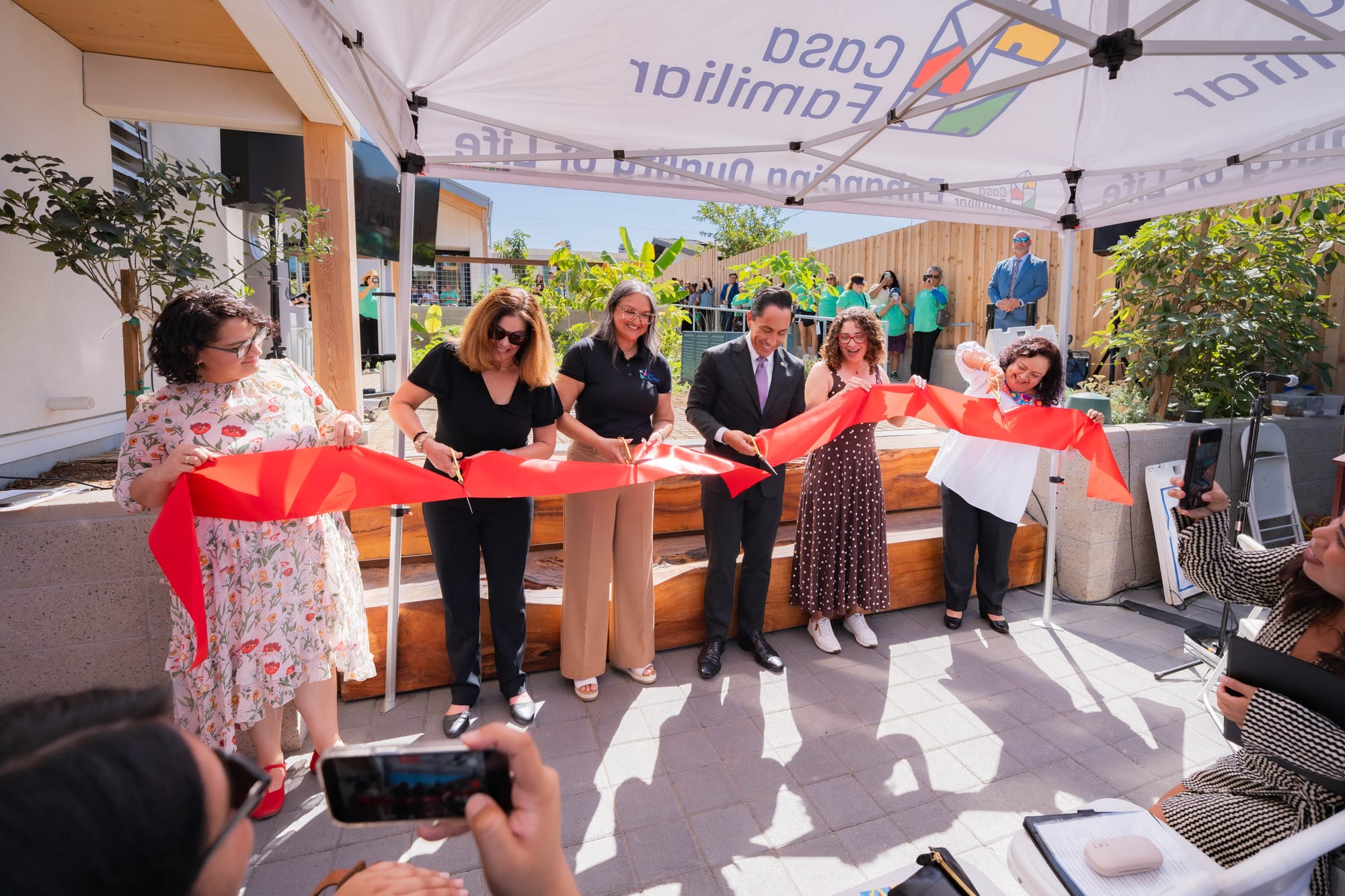
La Semilla did not emerge from one grant, one design charrette, or one organization. It rests on civic infrastructure: the enduring relationships, resident leadership, institutional knowledge, organizing practices, and cross-sector partnerships that turn a shared vision into a real project.
Casa Familiar’s role is central, but it is not solitary. Residents who had already shaped environmental-justice campaigns and the nearby Cultural Corridor helped envision La Semilla. Casa Familiar held design sessions with architects, walked the site and adjacent alleyways with neighbors, and asked where people felt safe, where they did not, and how the new space could connect rather than divide.
The engagement did not start from zero. Casa Familiar has sustained recurring community spaces for decades. Discussions shift with local priorities, new developments, funding opportunities, city budget hearings, and campaign updates, but the organization also reports back. Residents see what happened with their input, where advocacy went, and what remains to be done.
This continuity matters. When Casa Familiar begins a new initiative, such as La Semilla, it can invite people into a relationship that already exists. Maintaining these spaces is difficult and often unfunded. But letting them disappear is costlier: once momentum and trust are lost, rebuilding them takes far more time and energy.
The project also required public and regional partners. Although the City of San Diego did not directly fund La Semilla, its support mattered for approvals, coordination, and competitiveness for larger public resources. County agencies, the Metropolitan Transit System, regional transportation partners, emergency-management programs, small businesses, and utilities all hold pieces of the authority, information, or infrastructure needed to deliver a project like this.
Civic infrastructure creates a shared table before an urgent decision arrives. It gives residents a collective voice, gives institutions a trusted local partner, and gives projects the legitimacy and practical connections needed to move through a complex system.
Building Through Barriers
La Semilla shows why community-led development requires more than vision. It requires early capital, technical capacity, patient relationships, and the ability to navigate systems not designed for small, community-rooted organizations.
Casa Familiar assembled predevelopment funds through grants, a zero-percent-interest loan, a bequest, and a $100,000 forgivable loan from Raza Development Fund and Wells Fargo. These resources paid for acquisition, design, studies, and readiness work, investments that made the project credible enough for larger funding opportunities. That readiness mattered when California’s Strategic Growth Council launched its Community Resilience Centers opportunity. Casa Familiar revised its plan to meet the program’s scale and secured an $8.5 million award.
Winning funds, however, is not the same as being able to build. The organization faced delayed agreements, rising construction costs, and reimbursement-based funding that can require an organization to float hundreds of thousands of dollars before public funds arrive. Nearly nine months passed between notice of the SGC award and a signed agreement, all the while costs continued to rise.
These barriers reveal a central lesson: community organizations are routinely asked to carry the financial and administrative risk of public-purpose projects without flexible capital or staffing sufficient to manage that risk. Casa Familiar could move forward because it had experience, land, strong relationships, and persistence. Many communities with equally powerful ideas do not have those cushions.
Relationships helped keep the project moving. When delays threatened progress, city partners could help elevate problems with regional agencies or the utility. Residents, elected officials, and institutional partners knew La Semilla mattered. That social and political credibility made it harder for bureaucratic inaction to quietly derail the project.
The Seed and the Blueprint
La Semilla also connects climate investment to economic opportunity. Its construction included Casa Familiar’s first project labor agreement. The organization is strengthening pathways with a local community college and unions, introducing residents to the trades and preparing them for pre-apprenticeship and apprenticeship opportunities. A pathway to stable housing is incomplete without access to a decent-paying job; climate resilience is incomplete if residents are excluded from the jobs created through public investment.
The project demonstrates that shared space is essential infrastructure. San Ysidro needs housing, but residents also need, as Cuestas says, “space to breathe,” literally and figuratively. Most of La Semilla is designed for public use. Trees, gathering areas, and a welcoming scale communicate that residents deserve a place for workshops, birthday parties, respite from heat, and time with neighbors.
It also shows that belonging does not require forced consensus. Some residents worried about bike infrastructure and lost parking, even as they shared concerns about traffic and air quality. Casa Familiar created structured conversations about the tradeoffs among housing, environmental justice, and infrastructure. The goal was an honest relationship in which people could disagree, stay engaged, and influence outcomes.
The lesson for philanthropy and public leaders is clear: fund the relationships, resident leadership, predevelopment work, technical support, and institutional capacity that turn community priorities into durable assets. Support community organizations as long-term stewards of local knowledge, trust, and democratic power. Build funding systems that do not force organizations to risk collapse while waiting for reimbursement.
For border communities, the story must be larger than crisis and conflict. San Ysidro is part of a dynamic, interconnected region with cultural energy, economic potential, and a deep tradition of mutual care. La Semilla is one small site with a large message: people closest to the challenges are already building the knowledge, relationships, and imagination required to solve them. When their leadership is resourced and their civic infrastructure is sustained, a vacant lot can become a seed of belonging, and a blueprint for a healthier, more prosperous, and more resilient future.
Bibliography
Casa Familiar. Casa Familiar. Organizational overview. PDF.
Casa Familiar. La Semilla: Community Resiliency Center Programming One-Pager. PDF.
Casa Familiar. La Semilla. Project overview. PDF.
Cuestas, Lisa, interview by Alvaro Sanchez. La Semilla Transcript. Interview transcript, n.d. Text file.