BEAM Circular Is Building A Bioeconomy That Works For People
In North San Joaquin Valley, BEAM operates as a backbone for a growing regional ecosystem that identifies gaps and helps fill them through coordination, technical assistance, grants, strategic investments, and shared infrastructure.

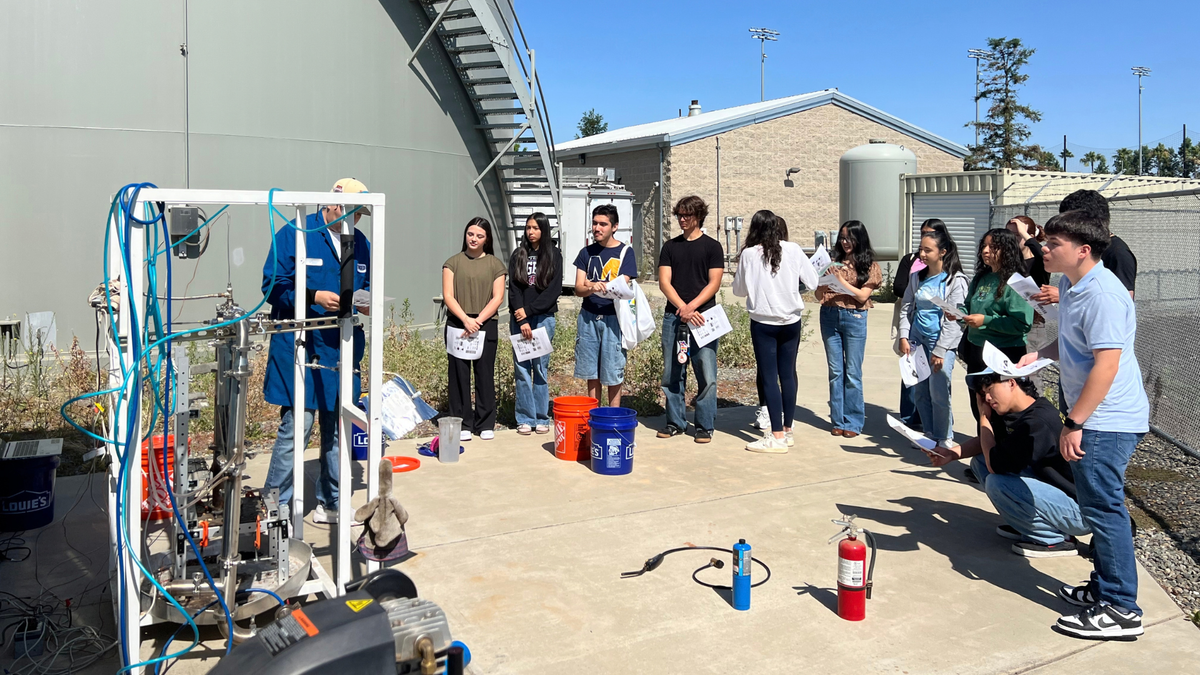
Drive east from the Bay Area and California changes quickly. Dense urban landscapes give way to open sky, orchards, vineyards, dairy farms, food-processing facilities, and the agricultural abundance of the North San Joaquin Valley. Here, food is literally life. It is planted, picked, processed, packed, and transported by the people who call the region home.
The Valley holds deep practical knowledge: growing, making, repairing, caring for family, and building a life through work. It is shaped by farmworkers, immigrant families, entrepreneurs, and community leaders whose strengths are often overlooked in statewide conversations about innovation. But its agricultural expertise, cultural diversity, and capacity for collaboration are central to California’s future.
For Karen Warner and Gloriamar Gamez, the work of BEAM Circular begins with a different premise: the North San Joaquin Valley already has what it needs to help shape a more prosperous and sustainable future. What it needs is investment, coordination, and an economic development strategy that respects the people who are already here.
For Karen Warner, BEAM Circular’s founder and CEO, belonging means creating an economy in which the people who sustain the region can prosper in it. The North San Joaquin Valley generates extraordinary value for California and the world, yet too many local families struggle to make ends meet. BEAM Circular began with that contradiction: How can the people who make this region thrive have greater stability, opportunity, and security themselves?
For Gloriamar Gamez, BEAM Circular’s community engagement leader, belonging starts with the strength of the people of the valley. A chemical engineer by training, she joined BEAM Circular to bring sustainability out of technical and corporate spaces and into everyday life. She speaks with particular pride about rural California, a place she says many outsiders fail to see fully. She also understands the importance of helping residents recognize the value of the place they already call home: its agricultural expertise, its people, and its potential to lead.
Together, Karen and Gloriamar embody the bridge BEAM is trying to build. Karen’s work helps organize the strategy, partnerships, capital, and infrastructure required to grow a new economic sector. Gloriamar helps ensure that the people most affected by that change can understand it, question it, shape it, and see themselves in it. Their work reflects a belief that innovation should not arrive in the Valley as something imposed from outside. It should grow from the Valley’s people, resources, cultural strengths, and aspirations.
An economy that works for people
BEAM Circular grew from Stanislaus 2030, an inclusive economic-development process launched in 2021. The effort asked more than whether the economy was growing. It asked: How are people doing in the local economy?
Through data analysis, interviews, and community stories, Stanislaus 2030 revealed that many families struggled to cover the real cost of living despite having a working adult at home. The issue was not just employment. It was access to jobs that offered adequate wages, stability, advancement, and a chance to build financial security.
The region’s agricultural and food-processing economy is an enormous asset, but it has also produced too many low-wage jobs. Community members and regional partners began searching for an opportunity sector that could build on local strengths while creating higher-quality jobs and environmental benefits.
They identified the circular bioeconomy.
In a circular bioeconomy, materials that might otherwise be discarded become inputs for valuable products. Egg shells, almond hulls, grape pomace, food-processing sidestreams, forestry residues, and municipal green waste can be transformed into bio-based materials for packaging, textiles, foams, paints, personal-care products, and other goods commonly made with fossil-fuel-based petrochemicals.
For Gloriamar, the idea begins with a simple image: every meal leaves something behind. In a region that grows and processes food at enormous scale, those byproducts can become material input for a new generation of local manufacturing. This is not simply a waste-management strategy. It is a path to new revenue streams for farmers, reduced methane emissions, healthier soils, less dependence on fossil fuels, and better jobs for local residents.
Blueprint for action
A regional strategy cannot train workers, attract investors, help entrepreneurs solve technical problems, or earn public trust on its own. That is why BEAM Circular exists.
BEAM operates as a backbone for a growing regional ecosystem. It brings together farmers, businesses, schools, workforce-training providers, researchers, public agencies, investors, community organizations, and residents. Its job is to identify the gaps holding back a promising sector and help fill them through coordination, technical assistance, grants, strategic investments, and shared infrastructure.
Its work centers on four needs:
- Talent: Helping schools and training providers create pathways into emerging bioeconomy careers.
- Innovation: Connecting entrepreneurs to research institutions and technical support.
- Infrastructure: Building shared facilities where companies can test and scale bio-based technologies.
- Capital: Helping the region attract and deploy public and private investment around local priorities.
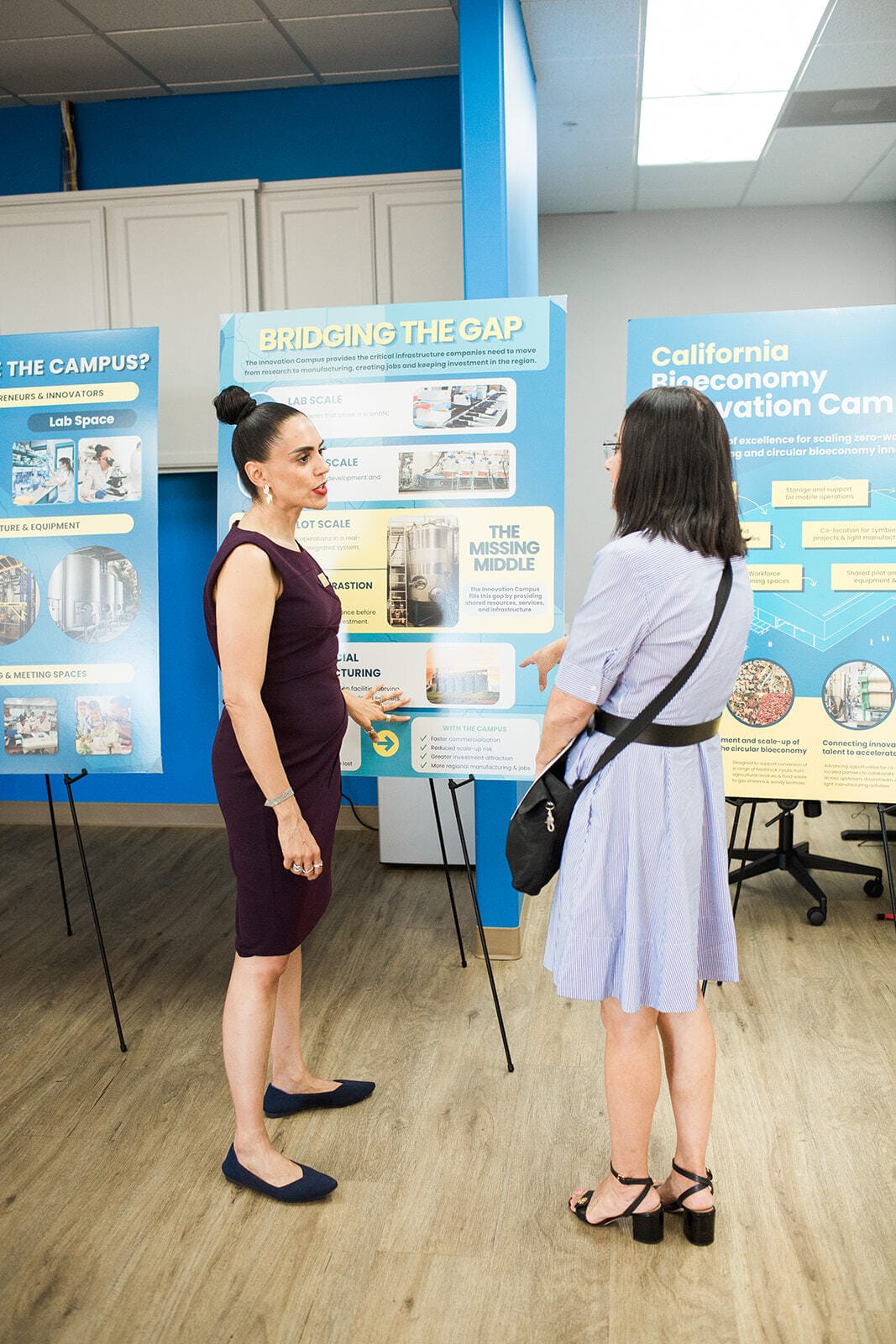
The planned California Bioeconomy Innovation Campus illustrates this strategy. Early-stage bio-based companies need specialized equipment and space to develop products and scale production. Without shared facilities, firms may fail to reach the market or leave California to find those resources elsewhere. The Bioeconomy Innovation Campus will address this need by providing shared infrastructure, technical services, and scale-up support to help circular bioeconomy innovators bridge the gap between bench research and commercial manufacturing.
The region has been certified as California’s first Bioeconomy Development Opportunity Zone and received an “AA” rating for bioindustry readiness. BEAM’s Circular Bioeconomy Innovation Collaborative (CBIO Collaborative), its cross-sector partner network, has also received a National Science Foundation Innovation Engine Development Award. Together, these milestones signal a growing recognition of the Valley as a place that can lead innovation.
Belonging as governance
BEAM’s mission is not simply to grow an industry. It is to ensure that local people have a meaningful role in shaping it.
Early working groups brought residents and community organizations into the design of BEAM’s strategy. That work led to a formal Community Steering Committee of roughly 15 residents and community leaders from across three counties. Members meet monthly and receive stipends recognizing their time and contributions. They guide program development, review Community Prosperity Grant proposals, a funding opportunity designed to support community-led innovation across the North San Joaquin Valley, and vote on frameworks such as BEAM’s definition of a good job.
Paying residents for their time and expertise acknowledges that participation has value. Instead of treating residents as an audience consulted after decisions are made, BEAM treats community knowledge as essential to better decisions.
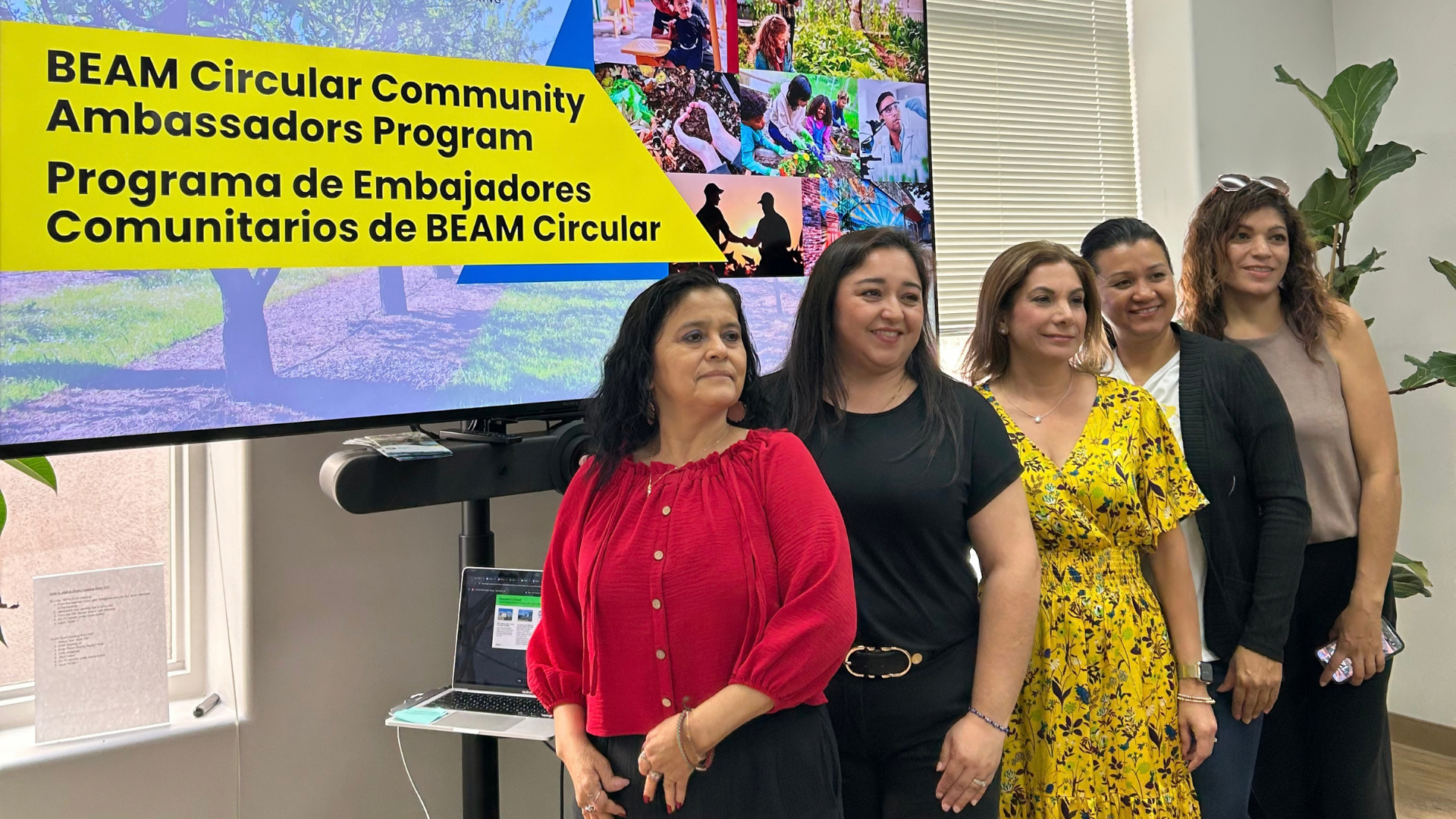
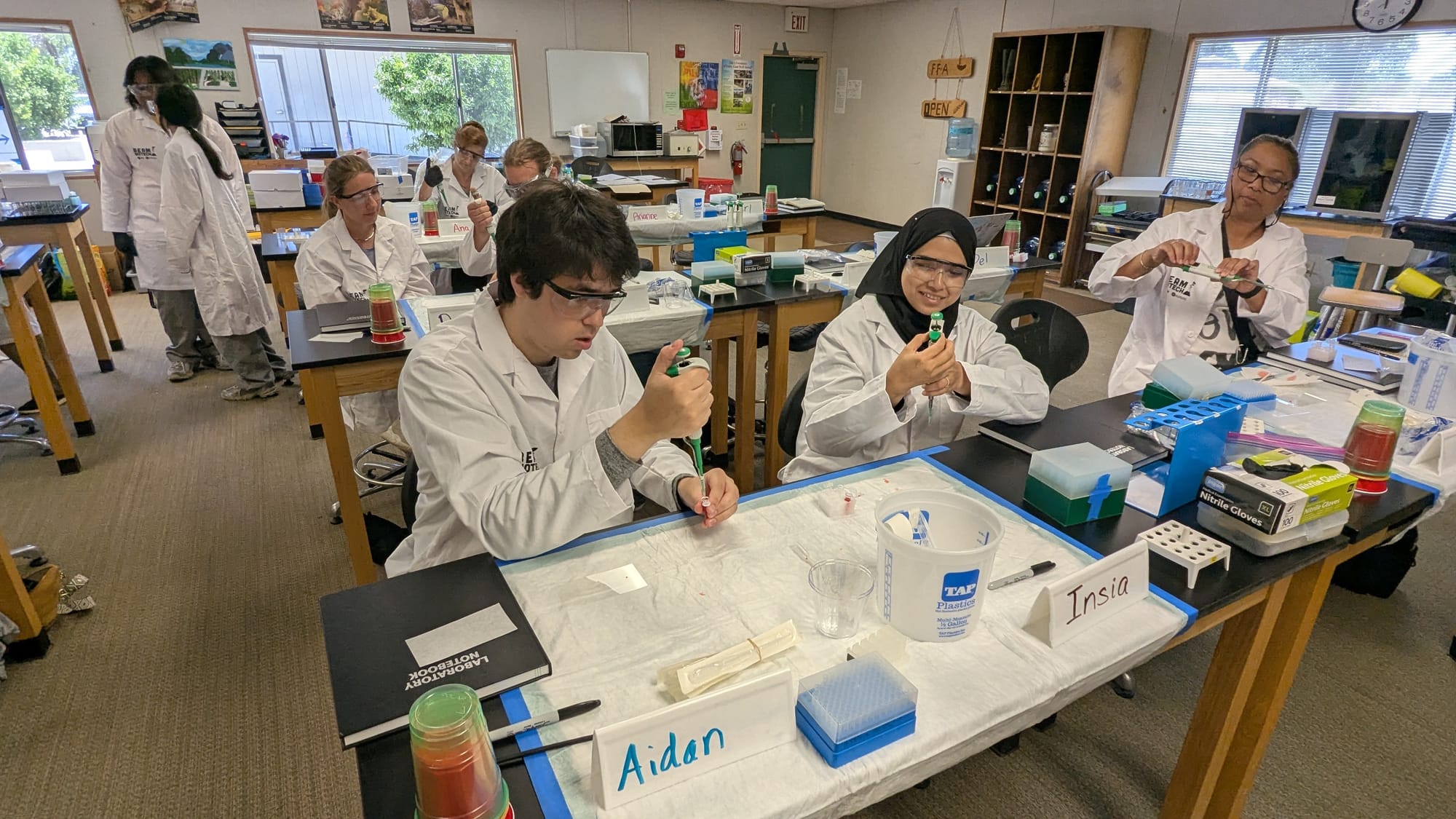
The organization also runs paid Youth Ambassador and Community Ambassador programs. Youth participants explore sustainability, circular-bioeconomy careers, and leadership through workshops, guest speakers, and field trips. Community ambassadors participate in Spanish-language sessions on climate change, the circular economy, and community development, then help lead outreach and bring community feedback back to BEAM.
These programs are building leadership as well as awareness. Community members who had never applied for funding have begun proposing their own projects through BEAM’s Community Prosperity Grants. Teachers have gained training and equipment, while students are beginning to see science, manufacturing, and sustainability as possible futures in their own region.
Trust makes progress possible
Trust did not come automatically. In a region with a history of governmental and industrial decisions that have not always benefited residents, skepticism toward a new industry and major public investments was reasonable.
When Stanislaus County considered allocating up to $10 million to the bioeconomy strategy in August 2024, some residents publicly raised concerns. BEAM responded by deepening its outreach through town halls, open houses, local events, direct conversations, and ongoing education. The organization learned that transparency must be proactive and that trusted messengers are indispensable.
One community-based organization leader began as a strong skeptic, repeatedly invited BEAM to explain its work, and asked difficult questions. Over time, he joined the Community Steering Committee and later spoke publicly at a county board of supervisors meeting about BEAM’s positive impact. At a later county meeting involving final investment details and $2 million in company incentives, no public objections or questions were raised. That change reflected sustained engagement, not the avoidance of it.
Early results, lasting capacity
From 2023 through 2026, BEAM has helped raise more than $45 million in public and private investment. It has awarded $4 million in innovation funding to 32 startups and small businesses, deployed $2.7 million to launch 34 education and workforce programs expected to serve more than 15,000 students and workers, and engaged over 200 partner organizations and 5,700 community members across three counties.
A recent $2 million incentive investment is expected to support companies projected to create more than 320 jobs over five years. Yet the most durable outcome may be the capacity that now exists to pursue the next opportunity: workforce partnerships, community-governance structures, a cross-sector collaborative, stronger relationships with agencies and investors, and residents prepared to shape the direction of their region.
The innovation campus will take time and sustained investment. Companies face uncertainty, and climate urgency is real. But BEAM’s experience points to a central lesson: communities need more than episodic funding. They need lasting civic infrastructure, organizations, networks, skills, governance systems, and relationships that help carry local priorities through political shifts, financial barriers, and the long work of implementation.
In the North San Joaquin Valley, the materials for a new economy are already present: in orchards, food-processing facilities, schools, neighborhoods, and the creativity of the people who live there. BEAM Circular is helping turn those materials, and the community’s own collective capacity, into shared prosperity, climate resilience, and a future that belongs to the people building it.
Bibliography:
BEAM Circular. BEAM Circular 2-Pager: Growing an Opportunity Sector with Local & Global Impact—BEAM Progress Highlights, 2023–2026. n.d. PDF.
Gamez, Gloriamar, Karen Warner, and Alvaro Sanchez. Blueprints for Belonging Case Studies—BEAM Circular. Interview transcript, August 14, 2026. Transcribed by Fireflies.ai. PDF.